
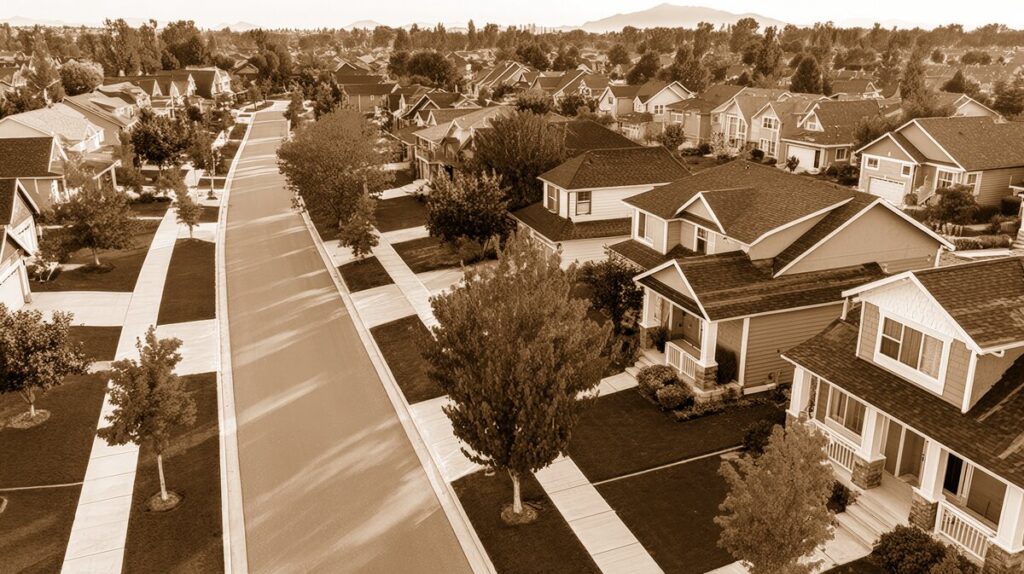
Nestled just south of the University of Michigan’s vibrant campus and drawing lines along Packard Road and Stadium Boulevard, Lower Burns Park melds the best of Ann Arbor’s storied past with the dynamic vibrancy of today. This neighborhood, quiet yet deeply rooted, is a place where stories linger on every porch, and each sidewalk seems to echo with the laughter of generations. Whether you’re a longtime resident or a curious visitor, exploring Lower Burns Park offers a glimpse into the heart of Ann Arbor, past and present.
The Origins: How Lower Burns Park Got Its Name
Lower Burns Park’s name pays homage to the larger Burns Park neighborhood that sits directly north, and most notably to Burns Park itself, the green expanse at Wells and Baldwin Street named after George Burns, a significant 19th-century Ann Arbor attorney and civic leader. Once farmland, the area slowly transformed into residential streets in the early 1900s, as Ann Arbor expanded to accommodate the growing university and the professionals it attracted.
The “Lower” distinction references the southern part of the classic Burns Park area—lower both in elevation and, historically, in the status conferred upon the original Burns Park north of Washtenaw Avenue. Over time, what began as a more modest residential enclave developed its own vibrant identity and appealed to families, students, and retirees alike.
Early Days: From Farmlands to Family Streets
In the late 19th and early 20th centuries, what is now Lower Burns Park was characterized by open fields and gently rolling pastures. The neighborhood’s earliest homes, some of which remain along Brockman Boulevard, Ferdinand Avenue, and Baldwin Avenue, reflect architectural styles of the era: gracious Craftsmans, stately Colonials, and the occasional Tudor Revival. As Ann Arbor’s population boomed, railway lines and streetcars brought convenient transportation, making Lower Burns Park one of the first true “commuter” neighborhoods for the city.
Schools arrived hand-in-hand with new families. Allen Elementary, just south of the neighborhood’s edge, became a community cornerstone. The lingering influence of these early families can still be seen in the mature oaks and maples that line the streets, planted as saplings by residents nearly a century ago.
Key Historical Milestones
Lower Burns Park's history is peppered with defining moments:
- 1920s—1930s: As new waves of faculty and professionals arrived in Ann Arbor, Lower Burns Park’s southern sections (including Norway, Woodside, and Ferdon Roads) filled in with bungalow-style homes. The area became known for its strong ties to the University of Michigan.
- Post WWII: The GI Bill led to an influx of returning veterans and their families, filling neighborhood schools and churches. Many military families made Lower Burns Park their permanent Ann Arbor home.
- Civil Rights Era: Lower Burns Park was part of the citywide movement toward integration and open housing. Local churches and PTA groups actively promoted inclusivity within the neighborhood.
- 1970s—Present: The construction of the Stadium Boulevard corridor both connected and, to some degree, divided Lower Burns Park from the neighborhoods to the south. However, proximity to Michigan Stadium today is a point of pride as well as a source of local energy and vibrancy, particularly on game days.
Landmarks and Notable Buildings
While the tree-lined residential streets are themselves a kind of living landmark, several locations stand out:
- Burns Park: Although technically just north of the Lower Burns Park boundary, the park’s open fields, tennis courts, and playgrounds are fixtures for local families. It’s the heart of the annual Memorial Day Parade.
- Pattengill Elementary School: Serving generations of children from Lower Burns Park and beyond, Pattengill is more than a school—it’s where community ties are forged over ice-cream socials and winter carnivals.
- Michigan Stadium (“The Big House”): While its official address is a few blocks west, the iconic stadium’s roar on autumn Saturdays is felt—literally and figuratively—throughout Lower Burns Park.
- Historic Residences: From arts-and-crafts bungalows on Crestland Drive to handsome foursquares lining Ferdon Road, the neighborhood’s homes are a catalog of early-to-mid-century American architecture.
- Neighborhood Churches: The churches along Packard and Stadium have served as gathering points for decades, hosting everything from voters’ booths to holiday festivals.
The Evolving Community
While Lower Burns Park remains an echo of its quiet, residential beginnings, it has kept pace with Ann Arbor’s growth and changing spirit. Today, you’ll find a blend of lifelong Ann Arborites, young professionals, students, and retirees—each adding a unique thread to the community’s social fabric.
Residents take pride in their compact, walkable blocks. Children ride bikes to Edgemont Park or walk to school. Neighbors host block parties and the annual yard sale, embodying the same sense of community that’s flourished here for nearly a century.
Local favorites include:
- The long-running Lower Burns Park Neighborhood Association, which advocates for careful development and hosts community cleanups.
- Easy access to Packard Road’s eclectic shops and restaurants, favored by students and families alike.
- The “Little Free Libraries,” lovingly installed by residents on several corners, encouraging book swaps and neighborly chats.
- Regular “porch concerts” and garden tours, uniting the neighborhood in music and horticultural pride.
Looking Forward: Old Roots, New Branches
What keeps Lower Burns Park special is its subtle balance between preservation and progress. New families renovate bungalows with respect for their original materials and charm. Retirees volunteer at local schools and mentor newcomers. Students enliven the community while respecting traditions that came before them.
As Ann Arbor continues to grow, Lower Burns Park’s heritage reminds us that neighborhoods are more than maps; they’re living stories, best told by the people who call them home. Stop by on a crisp fall evening, listen for the distant cheer of a Michigan touchdown, and you’ll understand why Lower Burns Park is a treasured chapter in Ann Arbor’s ongoing story.